
What Does Pre-Plucked Mean on a Wig? How to Tell If the Hairline Still Needs Work
Quick Answer
Pre-plucked means the wig hairline has already been thinned to create a softer, more gradual look instead of a dense straight line. It can make a wig look more natural, but it does not guarantee that every unit is ready for every head shape. You should still check the hairline, knots, parting, lace fit, and density before doing more plucking.
Quick Hairline Check
| What You See | What It Usually Means | What to Do |
|---|---|---|
| Soft gradual hairline | Good pre-plucking | Try it on before changing anything |
| Dense wall-like front | May need light customization | Adjust only small dense areas |
| Very wide part or gaps | Possible over-plucking | Do not pluck more |
| Visible dark knots | Pre-plucked is not the same as pre-bleached | Consider lace/knot preparation |
| Lace lifts at the front | Fit issue, not only hairline issue | Check cap size and placement |
| Uneven temple density | Common batch or styling difference | Compare both sides in natural light |
If you want a beginner-friendly wig with less work, start with AliGrace Wear & Go Glueless Wigs. For broader no-glue options, compare AliGrace glueless wig styles by cap fit and lace size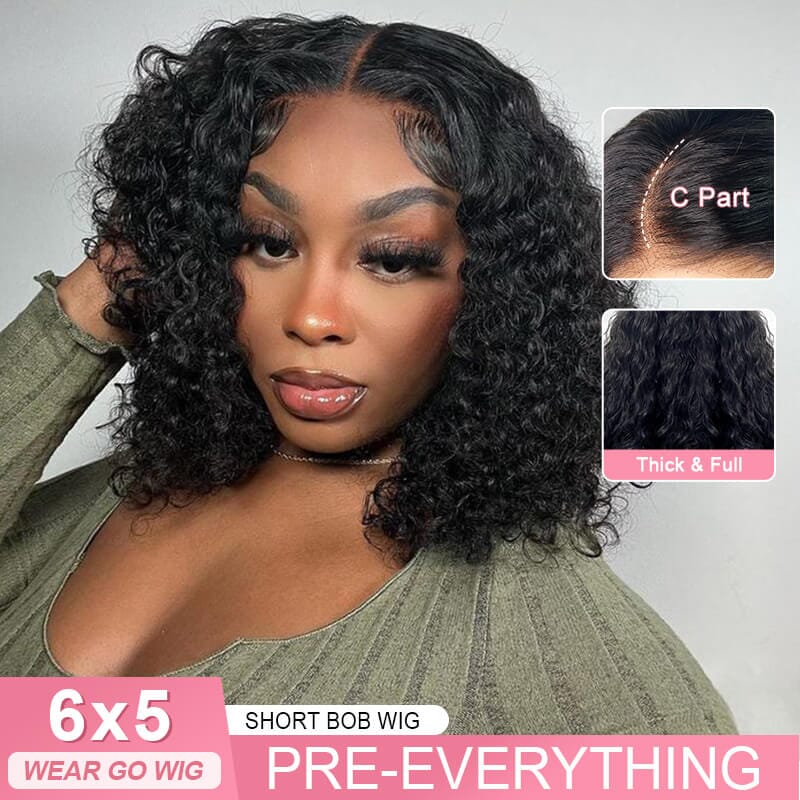
What Does Pre-Plucked Mean on a Wig?
Pre-plucked means some hair has been removed from the front hairline of the wig before you receive it. The goal is to create a more realistic density pattern, similar to how natural hairlines are usually softer in the front and fuller behind it.
A pre-plucked wig may include:
- A softer front hairline.
- Less density at the very front.
- Light baby hairs.
- A more gradual transition from forehead to hair.
- A parting area that looks less bulky.
This feature is especially common on lace front wigs, HD lace wigs, and wear go glueless wigs. It is meant to reduce the amount of customization a customer needs to do at home.
But pre-plucked does not mean perfect. It is a starting point, not a guarantee
What Pre-Plucked Does Not Mean
Many shoppers mix up pre-plucked, pre-cut, pre-bleached, and pre-everything. They are related, but they solve different problems.
| Feature | What It Means | What It Does Not Guarantee |
|---|---|---|
| Pre-plucked | Hairline density has been softened | Perfect hairline for every head |
| Pre-bleached | Knots have been lightened | Invisible knots on every skin tone |
| Pre-cut | Lace edge has been trimmed | Perfect fit for every forehead shape |
| Pre-everything | Several prep steps are done | Zero adjustment for every customer |
For lace material questions, read HD Film Lace vs HD Lace. For fit issues, use the Glueless Wig Cap Size Guide.
How to Tell If the Hairline Still Needs Work
Before plucking anything, try the wig on properly. A hairline can look too thick on a mannequin but more natural once the cap is secured on your head.
Check it in natural light
Indoor lighting can hide density issues or make lace look harsher than it really is. Stand near a window and look at the front, temples, and parting area.
Secure the cap first
Do not judge the hairline while the wig is loose. A loose cap can make the lace lift, shift, or bunch. That may make the hairline look worse than it is.
Look at the first half inch
The front should not look like a hard wall of hair. A natural hairline usually has lighter density at the edge, then becomes fuller behind it.
Check the temples
Temple density matters because the sides are often visible when you move, tuck hair behind the ear, or wear the wig in a side part.
Check the part
A part that is too wide can look over-plucked. A part that is too dense can look bulky. The goal is a realistic scalp effect, not the widest possible line.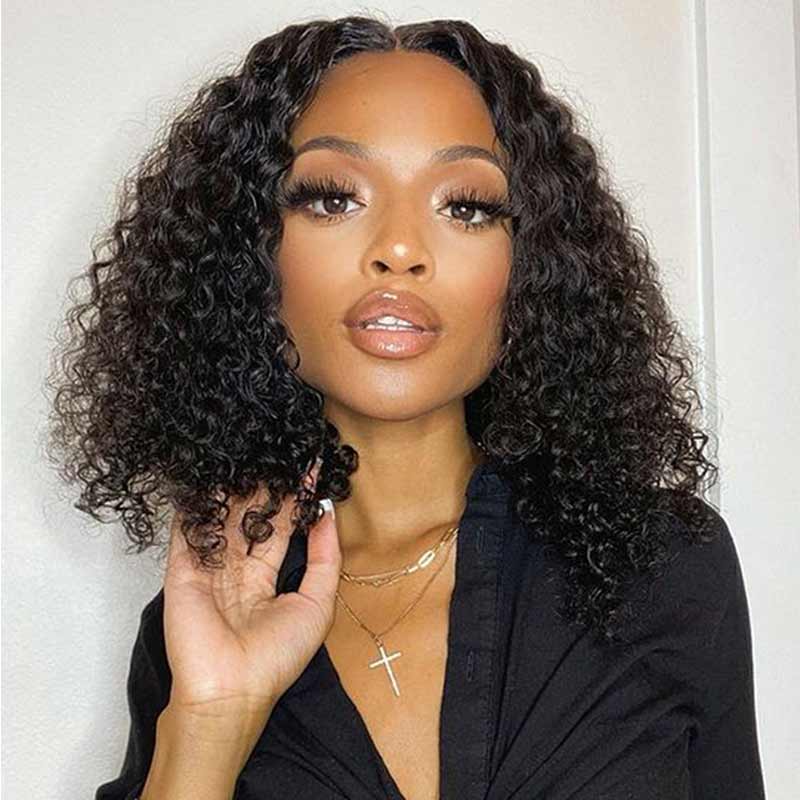
Choose This If: Good Hairline vs Too Dense vs Over-Plucked
| Hairline Type | How It Looks | Best Next Step |
|---|---|---|
| Good pre-plucked hairline | Soft front, gradual density, no harsh line | Wear as-is or style lightly |
| Too dense | Thick front edge, little transition, wiggy look | Lightly pluck only dense spots |
| Over-plucked | Gaps, sparse temples, too-wide part | Stop plucking and style carefully |
If you are a beginner, less is safer. You can always remove a little more hair later, but you cannot easily put hair back once the lace is over-plucked.
When You Do Not Need More Plucking
You probably do not need to pluck more if:
- The hairline already looks soft after you secure the wig.
- The front does not form a straight dense wall.
- The parting space looks realistic.
- The temples do not look bulky.
- The wig looks natural in daylight.
- The lace lays flat without forcing it.
In this case, focus on styling instead of customization. A hot comb, light mousse, careful parting, or gentle baby hair shaping may be enough.
When Light Customization May Help
Light plucking may help if one small area looks too dense. The key is to work slowly and avoid thinning the whole front.
Beginner-safe approach:
- Put the wig on and mark the dense area mentally.
- Remove the wig and place it on a stand.
- Work in tiny sections.
- Pluck behind the front edge, not only on the edge.
- Stop often and check in natural light.
- Do not pluck the same spot repeatedly.
If the wig is new and you may need to return it, check the return policy before altering the hairline.
Recommended AliGrace Option
For shoppers who want less customization, AliGrace Wear & Go Glueless Wigs are the strongest product path. They are designed for faster daily wear and often combine features such as pre-cut lace, glueless construction, and a natural-looking hairline.
If you want a smaller lace area that is easier to manage, compare 5x5 Wear Go Glueless Wigs. If you want more parting space, 6x5 Wear Go Glueless Wigs may fit better. For short daily styles, Short Bob Wigs can be easier to style with less hairline work.
CTA: Compare AliGrace wear go wigs by lace size, cap fit, knot preparation, and hairline finish, then choose the unit that needs the least extra customization for your routine.
Common Beginner Mistakes
- Plucking before trying the wig on.
- Judging the hairline under harsh bathroom light only.
- Plucking the same front edge repeatedly.
- Making the part too wide.
- Trying to copy a stylist's advanced hairline on the first attempt.
- Ignoring cap fit and blaming the hairline.
- Altering the wig before confirming the return policy.
For broader density decisions, read How to Choose the Right Wig Density. For customer experience context, read Why AliGrace Wigs? Customer Review Roundup.
FAQ
What does pre-plucked mean on a wig?
Pre-plucked means the front hairline has been thinned before the wig is shipped. The goal is to create a softer, more natural density instead of a thick straight hairline.
Does a pre-plucked wig still need plucking?
Sometimes, but not always. Try the wig on, secure the cap, and check the hairline in natural light before removing any hair.
Is pre-plucked the same as pre-bleached?
No. Pre-plucked refers to hairline density. Pre-bleached refers to lightening the knots so they look less visible on the lace.
How do I know if a wig is over-plucked?
An over-plucked wig may have gaps, a part that looks too wide, thin temples, or areas that look sparse like hair loss. If you see those signs, do not pluck more.
Does pre-plucked mean ready to wear?
It means the wig is closer to ready, but it may still need fit adjustment, styling, lace blending, or light customization depending on your head shape and preference.
Should beginners pluck a wig while wearing it?
Beginners should be careful. It is safer to try the wig on, identify dense areas, then remove it and work slowly on a stand.
Conclusion
Pre-plucked means the hairline has already been softened, but it does not guarantee a perfect hairline for every person. The smartest approach is to check the lace, knots, density, parting, and cap fit before doing more work. For an easier next step, browse AliGrace Wear & Go Glueless Wigs and choose a wig with the right lace size and hairline finish for your routine.


